
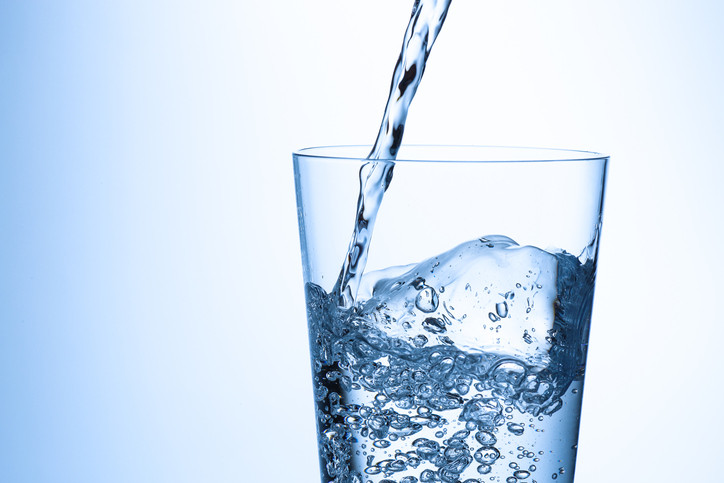
With the continuing higher than normal humidity, we are issuing the Prepare for the Heat Communication released every year at this time as a reminder to take care of yourself during these humid times.
Please focus on the preventative recommendations for avoiding heat rash, heat exhaustion and heat stroke and remember your Leadership Team completely endorses all of them, encouraging each and everyone to apply them always.
- Drink small amounts of cool water frequently
- Drink throughout the day
- Pace yourself
- Take time to cool down and when necessary
- Take extra breaks
- Rest in shady areas
- Wear appropriate clothing
- Wear light-colored clothing
We trust our ongoing support over these past few weeks has resulted in some relief, particularly:
- Encouraging extra breaks
- Promoting access to air condition spaces
- Making extra air condition spaces available
- Supplying frozen treats
Thanks for your commitment to our residents and please remember if you have any suggestions on how we can be more supportive during these hot humid temperatures, please let us know.
Prepare for the Heat
Heat and humidity are as much a part of summer as barbeques and beaches. While hot weather is great when you’re relaxing at the cottage, at work it can become a health hazard.
To ensure that our workers are prepared to work in hot humid temperatures, we offer the following reminders about prevention, symptoms, and treatment of heat stress.
The best way to prevent heat stress is to drink water regularly throughout the day. On really hot days, take frequent breaks in a shaded or air-conditioned area.
The effects of heat stress range from mild to severe: heat rash and heat exhaustion on the mild to moderate side and heat stroke on the severe side. The following are the symptoms and what to do about them.
Signs and symptoms of heat-related illness include headaches, dizziness, light headedness, fainting, weakness, malaise, mood change, mental confusion or irritability, nausea or vomiting, rapid pulse and excessive sweating or lack of sweating with hot dry skin.
An employee experiencing any of these signs or symptoms should be taken to the Aberdeen Emergency Room as soon as possible.
Heat Rash
Heat rash usually goes away in a few days if treated. Symptoms of heat rash include:
– red blotches and extreme itchiness on areas damp with sweat
– a prickling sensation on the skin where you are sweating.
Treatment: Rest in a cool environment, take a cool shower and dry your clothes and skin thoroughly.
Heat Exhaustion
If not treated promptly, heat exhaustion can lead to heat stroke. It takes at least 30 minutes to cool your body after suffering heat exhaustion.
Symptoms of heat exhaustion include
- weakness
- headache
- breathlessness
- nausea or vomiting
- feeling faint.
Treatment: Rest in a cool environment (for at least 30 minutes), drink cool water, remove unnecessary clothing, and take a cool shower. If you can’t take a shower, sponge your body with cool water.
Heat Stroke
Heat stroke occurs when the body can no longer cool itself and its temperature rises to critical levels. It can be fatal. Immediate medical attention is required. If a worker on your site may be suffering from heat stroke, call 911 right away.
Symptoms of heat stroke include
- irrational behaviour
- confusion
- loss of consciousness
- convulsions
- hot, dry skin (not sweating).
Treatment: Call 911. While waiting, immerse the worker’s whole body in a tub of cool water or spray the worker with cool water from a hose. If possible, wrap the worker’s body with sheets soaked in cool water. Get the worker to hospital immediately.
Preventative Measures Employees Can Take
Employees should take special precautions to avoid heat-related illness in unusually hot weather when working outdoors or in unconditioned indoor environments.
People suffer heat-related illness when their bodies are unable to regulate internal body temperature.
In hot weather, the body normally cools itself by sweating. Under some conditions, however, sweating isn’t enough. Such conditions include high humidity, where air movement is limited, working in the direct sun, heavy physical exertion and poor physical condition. Some medical conditions and medications can also reduce the body’s ability to tolerate heat.
Still, heat-related illness is preventable by following these guidelines when working in hot weather:
- Drink small amounts of cool water frequently to prevent dehydration.
- Drink throughout the day to relieve thirst and maintain an adequate urine output.
- Plain water is usually adequate, but a sports beverage can replace the salt and minerals you lose in sweat.
- Pace yourself. Start slowly and pick up the pace gradually.
- Stand or sit up slowly. Flex leg muscles before moving.
- Take time to cool down and when necessary, request permission from your supervisor to take additional breaks.
- Rest in shady areas (such as our NEW Gazebo) or in an air conditioned space (such as the Staff Lounge), doing so can help you stay cooler longer in the heat.
- Wear appropriate clothing: lightweight, loose-fitting cotton clothing that allows ventilation of air to the body.
- When outdoors, wear light-colored clothing and protect yourself from the sun by wearing a wide-brimmed hat, sunglasses and Sunscreen – SPF 15 or higher.